What Is Indoor Uplighting? A Complete Guide for Weddings and Events
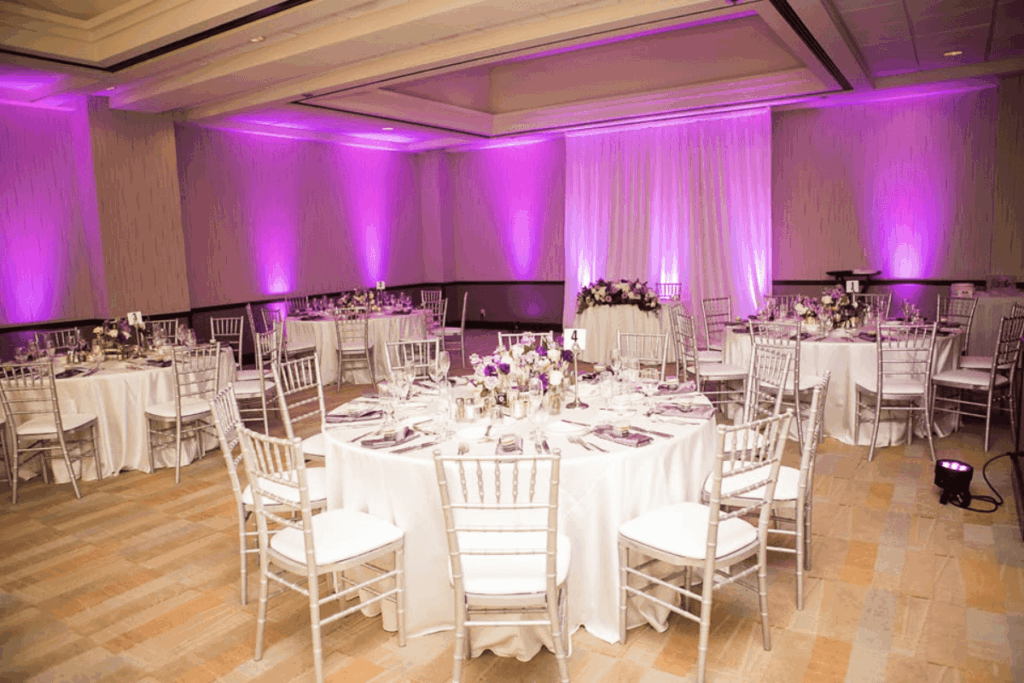
Walk into a banquet hall with beige walls and bright overhead lights, and it feels exactly like what it is: a banquet hall. Now picture the same room with the house lights dimmed, the walls washed in deep blush or rich sapphire, and a glowing dance floor in the middle. Same room. Completely different night. That transformation is indoor uplighting, and it’s one of the fastest, most budget-friendly ways to change how an event looks, feels and photographs. In this guide, we’ll walk through what uplighting is, how it works, which colors create which moods, how many lights you really need, what it costs, and how to decide if it belongs in your plan. Quick answer: Indoor uplighting uses compact, color-changing LED fixtures placed on the floor along walls, corners and key features and aimed upward, so the surfaces glow with color. It sets the mood, hides dated walls and ties a room to your color palette or brand, usually for far less than major décor builds. What Is Indoor Uplighting? Indoor uplighting is a lighting technique where small LED fixtures, often called uplights or wash lights, sit at floor level and shoot light up walls, columns, draping or ceilings. Instead of lighting the room from above, they color the room’s surfaces, so the architecture itself becomes part of the décor. Uplighting vs. regular room lighting Regular (house) lighting helps people see. It’s usually overhead, white and flat. Great for a conference, not so great for a first dance. Uplighting sets a mood. It’s low, colored and directional, so walls glow and the room feels warmer and more intimate. Candles and string lights add sparkle, but they don’t cover large wall areas or change color on demand. Pin spotting is a different effect. It uses narrow beams to highlight centerpieces or a cake, while uplighting washes whole surfaces. Most events use uplighting alongside the venue’s own lights. The house lights get dimmed for dinner and dancing so the color can take center stage. How Does Uplighting Work? Three moving parts make it work: where the lights go, what fixtures you use, and how you control the color. Placement The most common spots are: Along the main walls, spaced roughly every 6 to 10 feet In room corners, which deepens the color wash Behind the head table or sweetheart table Beside the DJ booth, cake table or stage Around entrances, windows, columns and archways Wireless, battery-powered LED fixtures Professional uplights today are almost always LED. They stay cool to the touch and use very little power. Battery-powered wireless models mean no extension cords across the floor, which is safer for guests and makes it easy to light spots that don’t have an outlet nearby. Better fixtures mix several LED colors (typically red, green, blue, amber and white). That’s the difference between a rich blush or warm amber and a harsh, flat primary color. Color control: static, changing, and DMX Static color: one color all night. Simple, clean, and perfect for matching a wedding palette. Color changes: the room shifts as the event moves from cocktail hour to dinner to dancing. DMX control: an industry-standard protocol (DMX512) that lets a technician control many fixtures at once and program scenes and timing. What setup looks like A good uplighting setup starts before event day. We look at the venue (photos or a walkthrough), plan placement, then install and test the lights before guests arrive. Setup usually takes one to two hours depending on the room size and the venue’s load-in rules, so always confirm access times with your venue. Benefits of Uplighting for Weddings and Events It sets the mood. Lighting is the fastest way to change how a room feels. Warm tones feel romantic, cool tones feel modern and energetic, and shifting colors can mark the move from dinner to dancing. It hides dated walls and décor. Beige walls, mismatched paneling and tired carpet fade into the background when the room is washed in color. This is a big win in older banquet halls and hotel ballrooms with gold or cream tones. It matches your palette or brand. Dusty rose, emerald, navy or your company’s exact brand color can show up across the whole room, not just on the tables. It makes photos and video look better. Soft color on the walls adds depth and separates guests from the background. Your photographer and videographer will thank you. (Tip: avoid pointing intense colors directly at faces, which can cast an unflattering tint.) It’s affordable compared to other upgrades. Compared to custom florals, large installations or venue upgrades, uplighting often delivers one of the biggest visual changes per dollar. An honest note: uplighting won’t fix everything. In a room with very dark walls or a very high ceiling, color won’t show as strongly, and you may need more fixtures or a different approach. A good provider will tell you that up front instead of just selling you more lights. Best Events for Uplighting Uplighting works anywhere there’s a room that could use more personality. Weddings and receptions: the most popular use. Northwest Indiana weddings are indoors for much of the year thanks to Lake Michigan winters, so lighting does a lot of heavy lifting. Corporate events and galas: wash the room in brand colors for product launches, award dinners and holiday parties. It reads as polished without feeling over-designed. Quinceañeras, Sweet 16s and milestone birthdays: bold colors and color-changing scenes help the room feel like a party from the moment guests walk in. Banquets and fundraisers: the right color and a dimmed room can make a ballroom or parish hall feel far more upscale. Popular Uplighting Colors and What They Create Warm white and amber: cozy, romantic and flattering. A safe choice for elegant, classic weddings and historic venues. Pink and blush: soft and graceful. Beautiful with white florals, and very flattering in photos. Blue and purple: modern, dramatic and energetic. Popular for dance floors, evening receptions and milestone parties. Green and teal: