
Stock Up Smart: Why Buying Ammo by the Case Saves You More
Running out of ammunition at the worst possible moment is a frustrating interruption to your practice or preparation. Buying ammo by the case solves that by delivering a large, consistent supply directly to you, so you always have enough on hand for extended range sessions or storage. This approach typically lowers the cost per round, and it ensures you shoot the same lot for dependable accuracy and performance. Bulk purchasing by the case simplifies your logistics, letting you focus on shooting rather than frequent reordering.
Why Buying Bulk Ammunition Saves More Than Just Money
Buying ammo by the case saves more than just money—it saves your training rhythm. Instead of rationing precious rounds after a range trip, a full case lets you shoot multiple sessions without breaking stride, keeping your muscle memory sharp and your zero consistent. That uninterrupted practice translates directly to better accuracy, which is worth far more than the per-round discount. Your time is also protected: one bulk order replaces countless small store runs, giving you back hours for actual shooting instead of shopping. A case also acts as a buffer against inconsistent lot numbers, so your point of impact stays stable box after box. Q: Why does buying by the case save more than money? A: Because it preserves your training consistency, saves trips, and keeps your ammunition’s performance uniform—all of which make you a better shooter.
Breaking Down the Per-Round Cost Difference Between Boxes and Full Cases
When you break down the per-round cost difference between boxes and full cases, the math gets obvious fast. A standard 20-round box might run you $18, which is 90 cents a round, but a 500-round case often lands around $375—dropping that to 75 cents each. That 15-cent gap per bullet adds up to $75 saved per case, and it comes purely from bulk pricing tiers. You’re not paying for extra packaging or individual shelf markup. So, to see the real split:
- Check the price per box (e.g., $18 per 20 rounds).
- Divide by round count to get the per-round box cost.
- Do the same for the full case (e.g., $375 per 500 rounds).
- Subtract the case rate from the box rate—that’s your savings per round.
That number is your direct cash-back for going big, no guesswork needed.
How Shipping Fees and Hazmat Charges Shift When You Order Larger Quantities
Shipping fees and hazmat charges scale non-linearly when you buy ammo by the case, so your per-round logistics cost drops sharply as quantity rises. A single hazmat fee (typically applied per box or per package) is often a flat charge, meaning one case of 500 rounds carries the same hazardous material surcharge as five boxes of 50—making larger orders drastically more efficient. Carriers also price by dimensional weight and box count; consolidating 1,000 rounds into one dense, sealed case avoids multiple per-package base fees. However, if your order crosses a carrier’s weight threshold (e.g., 70 lbs), the per-parcel surcharge may jump, so verify the exact breakpoint before checkout. To maximize savings, compare hazmat fee structures per case versus per box—some vendors waive hazmat entirely over a minimum order weight.
- Flat hazmat fees spread across 1,000+ rounds yield pennies-per-round cost .50 Cal Ammo for Sale versus dollars-per-box.
- One case eliminates repeated $15–$25 hazmat surcharges that apply to each individual shipment of smaller quantities.
- Larger cases often qualify for free shipping thresholds that smaller orders miss, further cutting your effective per-round freight.
- Watch for weight-based carrier penalties—splitting 6mm Remington Ammo for Sale an order into two cases may beat one oversized case’s over-limit fee.
Time Savings: Fewer Trips to the Store and Less Inventory Anxiety
Buying ammo by the case is a direct injection of fewer trips to the store into your weekly routine. Instead of weaving a stop for a box of 9mm into every errand, you grab one bulk shipment and cover months of range time. That single delivery eliminates the revolving door of last-minute runs, which also cuts the mental chatter about your stockpile. With a full case on the shelf, you stop mentally calculating rounds left before the next purchase. The anxiety of “Do I have enough for this weekend?” evaporates because your supply is a given, not a question. You spend less time driving, waiting, and worrying—and more time just shooting. That’s the real efficiency of buying in volume.
Choosing the Right Caliber and Grain Weight for a Full Case Purchase
Committing to a full case of ammunition demands that your caliber choice be a settled verdict, not a working theory—your rifle’s barrel twist and your typical engagement distances dictate whether a 55-grain or 77-grain load will actually stabilize and perform. For a case purchase, buy the heaviest grain your twist rate reliably stabilizes, because that weight will deliver superior wind-bucking and terminal consistency across varied conditions, making your bulk investment universally useful rather than niche. Standard 5.56 rifles with a 1:7 twist should lock onto 62–77 grain projectiles, while 1:12 twist barrels demand lighter 55-grain rounds to avoid keyholing. Likewise, a .308 case purchase favors 168–175 grain match or bonded soft points for precision and hunting overlap, whereas 147-grain ball is only cost-effective if you’re burning through steel targets at close range. The true economy of a case reveals itself only when your chosen grain weight matches the rifle’s sweet spot, turning bulk volume into predictable accuracy rather than a dusty crate of mismatched potential. Verify your twist rate and barrel length before ordering, then commit to one weight—mixing grains across a case defeats the consistency that bulk buying is meant to secure.
Matching Bullet Weight to Your Firearm’s Twist Rate and Intended Use
When buying ammo by the case, matching bullet weight to your barrel’s twist rate is non-negotiable for accuracy. A 1:7 twist stabilizes heavier 62–77 grain projectiles, while a 1:12 twist prefers lighter 55 grain loads; mismatching causes keyholing or poor precision. For intended use, select lighter grain weights for rapid target engagement or varminting, as they flatten trajectories at close range. Conversely, choose heavier bullets for long-range hunting or steel, since they retain energy and resist wind drift better. Cases purchased in bulk lock you into one weight, so verify your twist’s optimal range and your primary application before committing to a full case.
Always match bullet weight to both your firearm’s twist rate and your primary shooting purpose before buying by the case.
Full Metal Jacket vs. Hollow Points: What a 500-Round Lot Should Contain
Within a 500-round case, your FMJ-to-hollow-point ratio should hinge on how the lot will be spent—not on guesswork. Reserve approximately 400 rounds of full metal jacket for drills, malfunction clearing, and zeroing, since their hard, gilded copper jackets feed reliably and preserve barrel life under prolonged fire. The remaining 100 rounds of hollow points belong in your defensive magazines, but you must cycle every single one through the firearm to verify feeding, expansion, and point-of-impact shifts against your FMJ baseline. *A hollow point that jams on round 47 is a liability no practice count can fix.* Split the case into sealed, labeled ammo cans—bulk ball on top, defensive JHP bottom—so range days never force you to burn premium specialty sports and supply defensive loads on paper targets. This ratio gives you the repetition to build muscle memory without compromising the terminal performance you carry daily.
Understanding Velocity and Pressure Variations Within the Same Case Lot
Even within a single case lot, you will encounter measurable variations in velocity and pressure between individual boxes due to normal manufacturing tolerances in powder charge weights, case volume, and primer seating. For a full case purchase, you cannot assume every round performs identically. The practical approach is to chronograph and observe pressure signs from several boxes across the lot—not just one—to establish your realistic velocity spread baseline. Document the mean and extreme spread for each box. If you are working up a precision load for competition or long-range, treat the entire lot as a single entity: select your zero based on the average velocity and confirm it holds across multiple boxes. Additionally, follow this verification sequence:
- Shoot a five-round string from three different boxes.
- Record velocity and inspect primers/casings for pressure indications.
- Retain a box from the lot for future lot-to-lot comparison.
This ensures your scope settings and trajectory calculations remain valid for the entire purchased quantity.
How to Store a Case of Cartridges Properly for Long-Term Shelf Life
When you buy ammo by the case, your immediate edge is cost efficiency, but your long-term payoff depends entirely on storage discipline. Begin by leaving factory cartons sealed inside the original case, as this layered barrier is your first defense against moisture and temperature swings. Elevate the entire case off concrete floors on a wooden pallet or heavy-duty plastic shelf to prevent condensation wicking into the cardboard. For true long-term shelf life, place silica gel desiccant packs between the inner boxes and tape the case’s outer flaps shut with a humidity indicator card on top. Keep the case in a climate-controlled closet or basement corner, ideally between 55°F and 75°F with under 40% relative humidity. Rotate the case every six months, flipping it end-over-end to shift primer contact and prevent bullet setback from static stacking pressure. Never open the case unless you’re pulling ammo for use—each exposure resets the moisture clock and undermines 9.3x62mm Mauser Ammo for Sale your bulk-buy advantage.
Controlling Humidity and Temperature in Your Ammo Safe or Closet
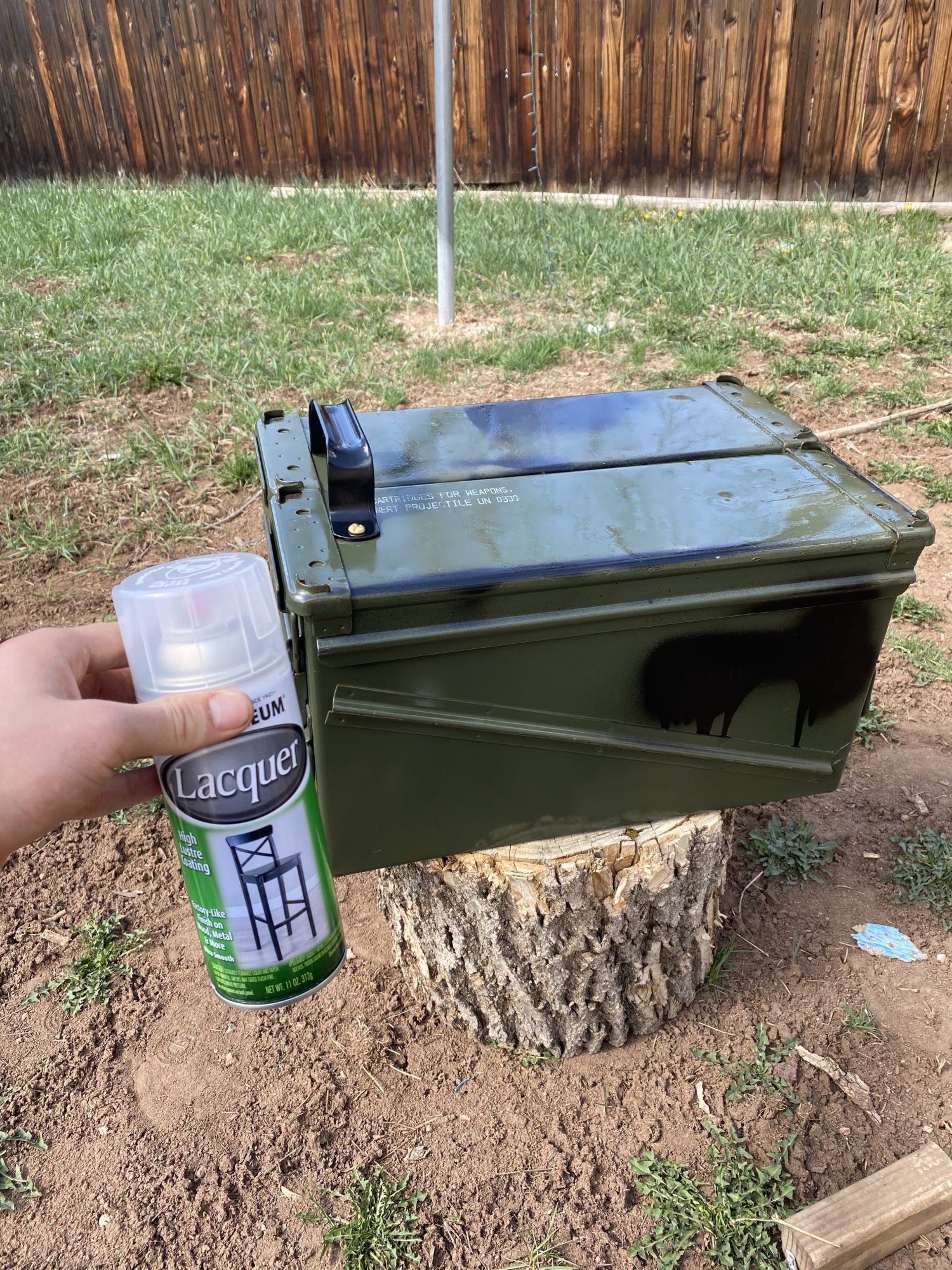
For cases of cartridges, consistent climate control inside your safe or closet matters more than ambient room conditions. Keep relative humidity between 35% and 50% using a rechargeable desiccant system or an electric dehumidifier rod; below 30% risks brittle primer seals, while above 60% accelerates corrosion on case walls. Place a digital hygrometer near the ammunition, not the door, and monitor seasonal shifts—condensation forms when warm air hits cold metal, so avoid storing cases against exterior walls. A sealed closet benefits from a passive moisture absorber, but a safe requires active airflow to prevent micro-climates. Never use silica gel that contacts primers directly, and re-calibrate sensors every six months. Thermal buffering via a foam-lined interior reduces temperature swings that cause repeated expansion and contraction of cartridge seals.
Stable humidity between 35–50% and minimal temperature fluctuation, achieved with hygrometers and active desiccants, directly prevent corrosion and seal fatigue in bulk-stored ammunition.
Rotating Your Stock: First-In, First-Out Methods for Heavy Shooters
For heavy shooters burning through multiple cases annually, rotating ammunition stock with a strict FIFO system prevents age-related degradation while ensuring consistent ballistic performance. Organize cases physically so newest purchases sit behind older inventory, then draw exclusively from the front row. Mark each case’s purchase date with a permanent marker on the lid, and log the lot number in a small notebook. When opening a case, transfer loose boxes to a dedicated “ready bin” placed closer to your loading bench. Check every three months: if a case has sat untouched for a year, move it to a secondary range bag for immediate use. A functional sequence:
- Label all incoming cases with month and year.
- Stack newest cases at the back, oldest forward.
- Pull from the front case first, replenishing from the back only after the forward one empties.
This cyclic flow keeps powder and primer compounds fresh without relying on memory.
Signs of Corrosion or Powder Degradation to Check Before Loading a Mag
Before seating a magazine from a case-stored batch, inspect each cartridge’s case mouth and primer pocket for green or white crusty deposits—these indicate corrosion that can seize the bullet or block ignition. Check the case body for dark spots, pitting, or a dull, blotchy finish, which signal salt or moisture damage from poor storage. For powder degradation, shake each round; a gritty, sandy rattle that sounds different from a free-flowing charge suggests clumping or moisture contamination. Also, press the bullet tip lightly—if it moves or seats deeper with ease, the case neck has lost tension, often from corrosion. Finally, sniff the powder through the primer hole; a sour, acrid smell means stabilizer breakdown. Reject any round showing these flaws, as they cause misfeeds or hangfires—never gamble on compromised ammo when fresh cases are available.
What to Look For in a Case’s Packaging, Seals, and Lot Numbers
When buying ammo by the case, scrutinize the outer packaging for crush damage, water stains, or tape over the manufacturer’s original seals—any sign of re-sealing suggests tampering or poor storage. The case’s factory seal should be intact and unbroken, with a crisp, uniform crimp or adhesive that matches the brand’s standard. Check that the lot number on the case matches the lot printed on every individual box inside; a mismatch means mixed headstamps or inconsistent performance. Look for a clear, laser-etched or ink-stamped lot code—not a smudged or handwritten one—and verify it corresponds to the caliber and grain weight on the label.
If the case’s seal is loose or the lot numbers are even slightly faded, reject it: fresh cases have tight seals and sharp, identical codes.
Finally, inspect the case’s internal dividers or trays for moisture or corrosion, as a compromised seal lets humidity ruin the primer’s reliability.
Inspecting Factory Crimps, Primer Seals, and Case Neck Tension
When buying ammunition by the case, inspecting factory crimps and primer seals is critical for reliable ignition and consistent pressure. Run a thumbnail across the primer pocket; a proper seal shows no raised edge or movement, while a loose primer indicates a weak crimp that risks gas blowback. For case neck tension, lightly press a bullet against a hard surface—it should resist firmly without seating deeper. Crimped or sealed primers often appear with a colored lacquer or staking, which prevents moisture intrusion, but verify the crimp isn’t so aggressive that it deforms the bullet or splits the case mouth. Uneven neck tension across a case lot causes erratic seating depths and velocity spreads. Reject any case with a visibly recessed or proud primer, or a neck that feels springy or oversize.
Check crimp integrity, primer seal uniformity, and neck tension resistance across several samples from each case lot to ensure consistent, Ammunition for Sale safe ignition and bullet pull.
Why the Lot Number Matters for Consistency Across a 1,000-Round Order
When you buy a 1,000-round case, the lot number is your only guarantee that every cartridge shares identical propellant burn rates, bullet seating depths, and primer sensitivity. Manufacturers blend components in batches; a different lot can shift point of impact by several inches at 100 yards due to velocity variations. For precision work or competition, you verify the lot number on the case label and each inner box before committing. Lot-number consistency ensures uniform muzzle velocity across the entire order, which translates to repeatable recoil impulse and zero retention. If the distributor splits a case, confirm all boxes carry the same production batch. Otherwise, zero for the average and accept fliers. Always
- check the outer case label
- open two random inner boxes to confirm matching numbers
- reject any mixed-lot case
Comparing Cardboard Trays, Ammo Cans, and Reusable Plastic Cases
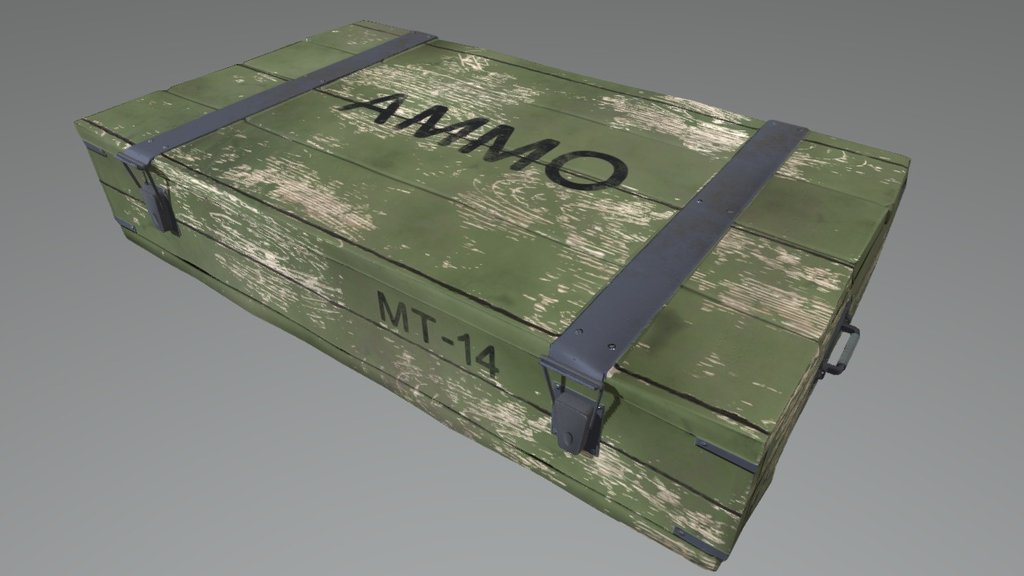
Cardboard trays are the lightweight, budget-friendly workhorse—they keep rounds organized but offer zero water resistance, so check the seal on the outer box before trusting them for long-term storage. Ammo cans, whether steel or GI-surplus, give you a crush-proof, gasket-sealed fortress that’s perfect for damp garages or truck beds, but they’re heavy and bulky to stack. Reusable plastic cases sit in between: they’re lighter than cans, often have a rubber O-ring for moisture protection, and let you see lot numbers 7mm Rem Mag Ammo for Sale through translucent lids—just verify the latch is tight, because a weak one can pop open in a drop. For a quick pick: cardboard trays for range days, ammo cans for long-term stockpiles, plastic cases for rotating inventory. If you’re deciding, follow this sequence:
- Assess where you’ll store it (humidity vs. dry shelf)
- Weigh portability against durability needs
- Inspect the gasket or latch on plastic and metal options
- Choose the tray if you plan to shoot within a few months
Calculating How Many Cases You Actually Need for a Year of Range Time
To calculate how many cases you need for a 9×18 Makarov Ammo for Sale year of range time, start by estimating your weekly round count—say 200 rounds per session—and multiply by the number of training weeks (48, leaving room for travel or illness). That gives you roughly 9,600 rounds annually. Divide that by the case size (often 500 or 1,000 rounds). If you shoot a 1,000-round case every five weeks, you’ll need about ten cases per year. But you don’t just buy ten; you buy eleven or twelve to absorb dry-fire drills, malfunction clears, and zero confirmation. Calculating your true annual ammo demand also means factoring in caliber-specific consistency—match-grade loads often run 10–15% higher in cost, so you might swap volume for precision. Always round up to the next full case, because a partial case at year’s end leaves you scrambling mid-season. Bulk ammo by the case should be sized to your training rhythm, not a calendar—if you shoot twice a month, two cases of 500 might suffice, but for weekly practice, push to four cases of 1,000. Lock that number into a standing order, and you’ll never ration a range day again.
Estimating Weekly Round Counts for Practice, Competition, and Home Defense Drills
To figure out your yearly case needs, start by tallying your weekly round counts across all shooting disciplines. For practice, count live-fire drills plus dry-fire reps—most shooters burn 100–200 rounds per session, two to three times weekly. Competition adds a specific baseline: one USPSA match might eat 150–300 rounds, but factor in two practice matches before the big day. Home defense drills are leaner but 9mm Ammo for Sale non-negotiable—budget 50–100 rounds weekly for malfunction drills and reloads from concealment. Multiply your combined weekly total by 52, then add a 20% safety buffer for spontaneous range days or gear testing.
- List each discipline’s weekly average (practice, comp, defense)
- Multiply by 52 weeks for a raw annual figure
- Add 20–30% buffer for ammo price spikes or canceled shipments
Breaking Even: When Case Purchasing Beats Buying Boxes Every Time
The real magic happens at the break-even point—the exact round count where case pricing saves more than the upfront shipping 7mm Rem Ultra Mag Ammo for Sale cost. If you shoot 500 rounds a month, buying 1,000-round cases beats boxes by roughly $40–60 per case, covering the freight by your second range trip. Compare: a 50-round box runs $0.65/round, but a case drops to $0.48/round. Once you pass 300 rounds per month, the math flips—you’re leaving money on the table sticking to boxes. Track your last six months of shooting; if you consistently exceed that threshold, case purchasing wins every time.
| Rounds/Month | Boxes Cost | Case Cost | Break-Even? |
|---|---|---|---|
| 100 | $65 | $48+$15 ship | No |
| 300 | $195 | $144+$15 ship | Yes |
| 500 | $325 | $240+$15 ship | Yes |
Mixing Brands Within Your Bulk Stockpile Without Sacrificing Accuracy
When calculating cases for a year of range time, mixing brands within your bulk stockpile is a smart way to stretch supply without ruining zero. Buy one case of your primary match-grade brand for precision drills, then supplement with a pallet of cheaper plinking ammo for reps and transitions. To keep accuracy intact, separate 9.3x72R Ammo for Sale stockpile lots by gun. Dedicate one firearm to the premium brand; use another rifle or pistol strictly for the budget batch. Test each new case at 25 and 50 yards, logging group sizes before you mix. Also, track lot numbers on labels—if one case varies, you can isolate it. This way, you burn through affordable rounds while preserving the exacting performance of your main defensive or competition loads.