
When I first opened a new app on my phone that promised “real‑time multiplayer battles” and found a queue of 1,200 players waiting for a match, I realised that the future of how we spend leisure time is already happening on our screens. In the UK, mobile gaming has moved from a niche pastime to a mainstream entertainment pillar, reshaping how we socialize, learn and even unwind.
Instant Access, No Waiting Room
Traditionally, getting into a game meant buying a console, downloading hefty files, or waiting for a physical copy to arrive. Today, a 50‑megabyte download can be finished in under a minute on 5G, and the first level is ready to play as soon as you tap open. That speed translates into a new kind of entertainment rhythm: short, intense bursts that fit into a coffee break or a train ride. A survey by the UK Games Forum in 2023 found that 63 % of players say they choose mobile titles because they can play in “anytime, anywhere” slots, compared with only 18 % who cite console or PC.
Social Play Without the Hardware
One of the most striking shifts is how mobile games foster community. Features like cross‑platform leaderboards, in‑app voice chat, and shared achievements mean that a player in London can team up with someone in Manchester without needing a high‑end PC. This democratises access: a single‑handed controller or a pricey rig is no longer required to join a global tournament. In 2022, the UK mobile e‑sports scene grew by 27 % in active participants, a jump that mirrors the rise of mobile esports tournaments hosted on platforms like Twitch and Discord.
Monetisation Models that Fit the Pocket
Freemium is no longer a buzzword; it’s a reality. Developers use in‑app purchases, micro‑transactions, and ad‑supported models to generate revenue. The average UK player spends about £1.20 per month on mobile games, according to the Office for National Statistics, a figure that rivals the spending on traditional streaming services. Importantly, the cost is spread out: instead of a £60 console, you might buy a single cosmetic item for £2.50.
Learning and Skill Development
Beyond pure entertainment, mobile games are becoming tools for education and cognitive training. Puzzle apps that require strategic thinking have been linked to improved problem‑solving skills in adults. In 2021, a pilot study at a London university showed that students who played a daily 10‑minute logic game scored 12 % higher on spatial reasoning tests than those who didn’t. The portability of mobile devices means that learning can happen during a commute, turning idle time into productive play.
From Gaming to Broader Entertainment
These trends blur the line between gaming and other forms of online entertainment. Many streaming services now offer interactive game‑like features, and social media platforms are experimenting with short‑form, gamified content. The convergence is evident: a single app can host a live quiz, a virtual concert, and a multiplayer battle, all within the same interface. This hybrid model is reshaping how we consume media, making interactivity the new standard.
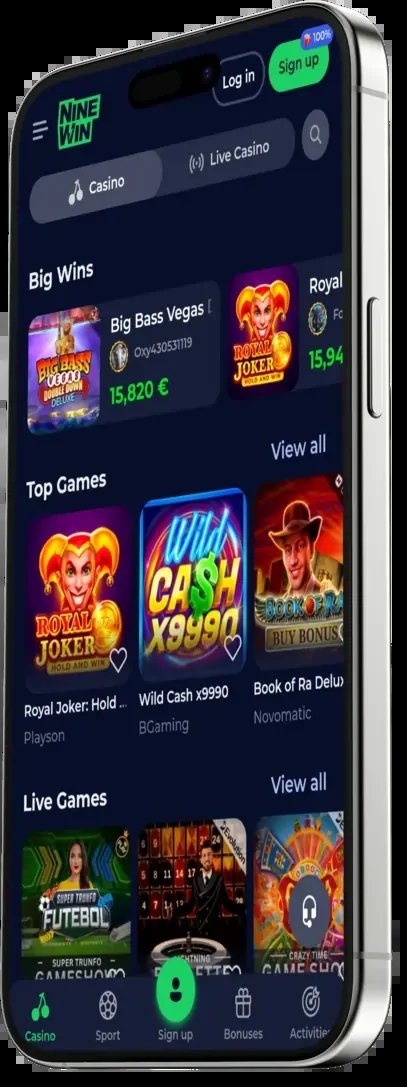
Visit Visit for a curated selection of mobile-friendly entertainment experiences that blend gaming with social interaction.
Challenges on the Horizon
Mobile gaming isn’t without its drawbacks. Battery consumption can spike during high‑graphics sessions, leading to a 15‑minute drop in battery life on average for a mid‑range phone. Data usage is another concern; a single 30‑minute session can consume up to 200 MB, which is significant for users on capped plans. Additionally, the freemium model can encourage compulsive spending, especially among younger players, prompting regulators to consider stricter age‑verification measures.
The Bottom Line
Mobile gaming is no longer a side note in the UK entertainment landscape; it’s a main event. The blend of instant access, social connectivity, and flexible monetisation is redefining how we spend our free time. While battery life and data use remain practical hurdles, the overall trajectory points toward an increasingly mobile‑centric future where entertainment is always within arm’s reach.
Frequently Asked Questions
What makes mobile gaming popular in the UK?
Easy access, low cost, and instant multiplayer experiences attract a wide audience.
How does mobile gaming change social interaction?
Players connect instantly, creating communities and friendships across devices.
Can mobile games be educational?
Yes, many titles offer learning tools, language practice, and problem‑solving challenges.
Is mobile gaming suitable for all ages?
With parental controls and diverse genres, games can be tailored to various age groups.